Where Are the Fall Colors in Southern Utah Right Now? Quick Answer (September 26, 2026)
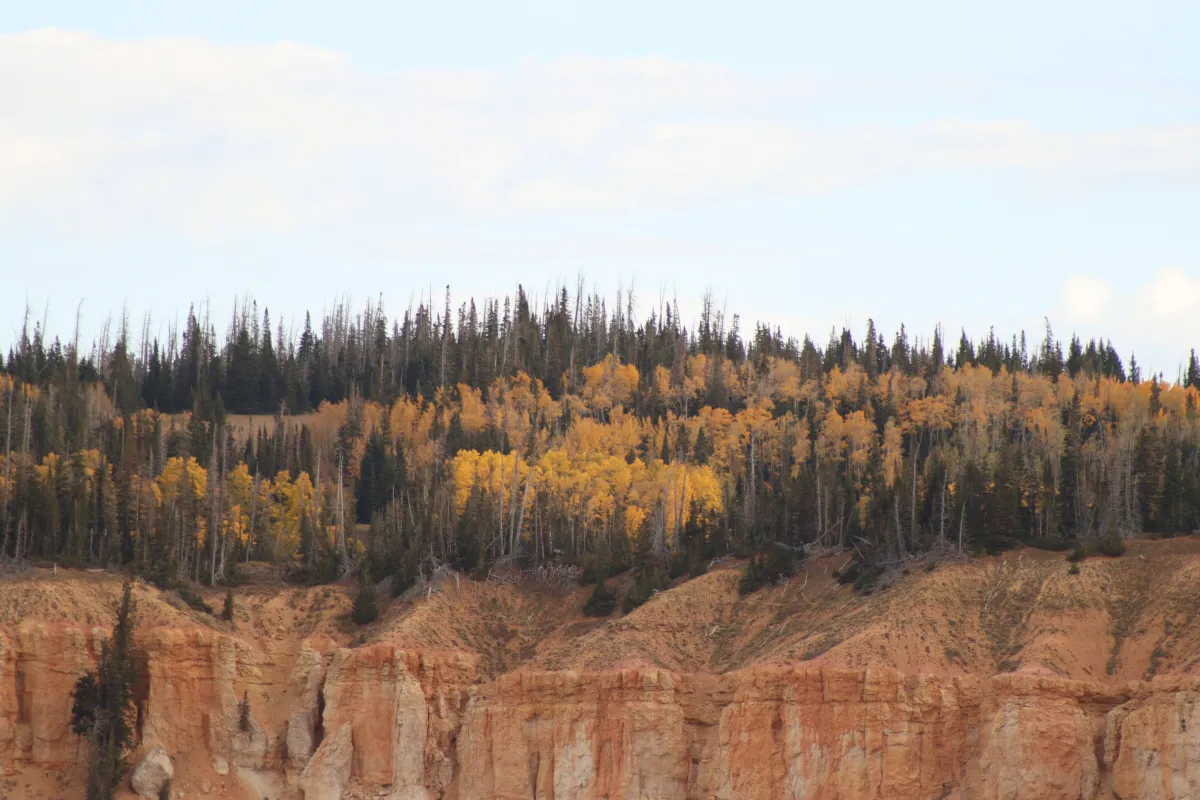
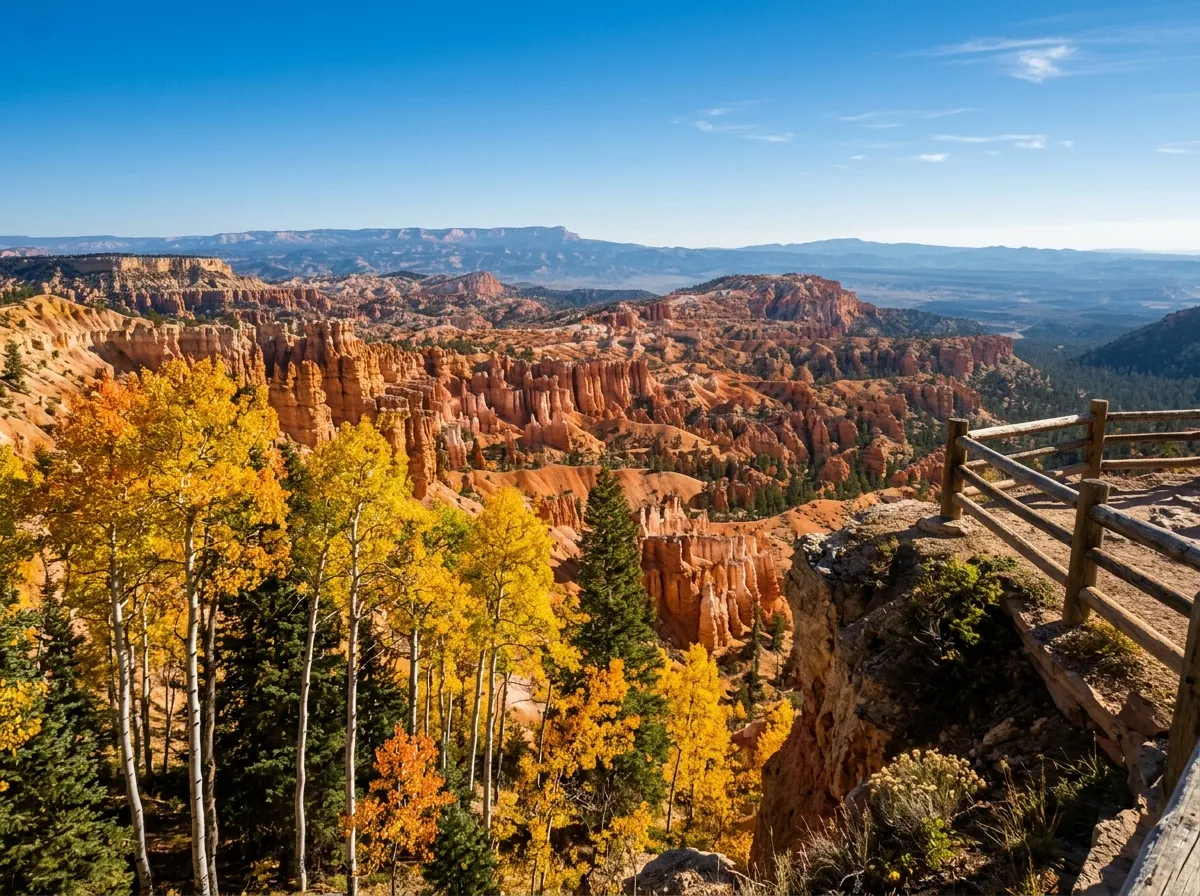
Go high, and go soon. According to Visit Cedar City | Brian Head's fall color report for September 20-28, 2026, Cedar Breaks National Monument is peaking now. Scenic Byway 143 toward Panguitch is a mix of peak and past peak, SR-14 between Cedar Breaks and Duck Creek has some stands at peak and plenty still green, and SR-14 from Cedar City up to Cedar Breaks is just starting to turn. Lower down, the maples, scrub oak, and cottonwoods around Pine Valley, Kolob, and Zion turn later, from October into November.
2026 is a weaker aspen year. Brian Head watchers are giving this season a "C." There's some good color, but many trees turned pale yellow and dropped their leaves early, which the tourism bureau links to low moisture and drought stress. A hard freeze was forecast for the high country on Tuesday, September 29. That can set off a last burst of color or strip the trees fast, so the next few days are your best bet up top.
| Spot | From St. George | Elevation Zone | Typical Peak |
|---|---|---|---|
| Cedar Breaks & SR-148 | ~75 mi · 1 hr 15 min | Alpine, 10,000+ ft | Mid-Sept to early Oct (peaking now) |
| Brian Head & Hwy 143 | ~74 mi · 1 hr 20 min | Alpine, 8,000-10,000 ft | Late Sept to early Oct |
| SR-14: Duck Creek, Navajo Lake | ~1.5 hr via Cedar City | Alpine | Late Sept to early Oct |
| Kolob Reservoir / Kolob Terrace Rd | ~1 hr 15 min via Virgin | Subalpine, 6,000-8,000 ft | Early to mid-Oct |
| Pine Valley | ~32 mi · 45 min | Subalpine | October |
| Kolob Canyons (Zion) | ~40 min up I-15, Exit 40 | High valley | October |
| Zion Canyon cottonwoods | ~42 mi · 45 min | High valley, ~4,000 ft | Late Oct into Nov |
Drive times are approximate, from central St. George. Peak windows are typical ranges by elevation, and each year shifts with moisture and the first hard freezes.
How Fall Color Moves Through Southern Utah
In Southern Utah, elevation matters more than the date. Visit Cedar City splits the region into three zones, and color moves downhill through them over about six weeks:
- Alpine (8,000-10,000 ft): Brian Head, Cedar Breaks, Panguitch Lake, Duck Creek, and Yankee Meadows. This is quaking aspen country, mixed with spruce and some ponderosa pine. It turns first, from mid-September into early October.
- Subalpine (6,000-8,000 ft): Zion Overlook, Ashdown Gorge, Parowan Canyon, Vermillion Castle, Mammoth Creek, and Kolob Reservoir. Here you'll find scrub oak and maple, which turn orange and red, with some aspen. These peak in early to mid-October.
- High valley (3,000-6,000 ft): Cedar City, Parowan, Kolob Canyons, and Zion National Park. Scrub oak, maple, and cottonwood turn here, and along the Virgin River the cottonwoods go gold from late October into November.
St. George itself sits below 3,000 feet, so the valley floor gets very little fall color. The good news is that all three zones are day trips from town.
Best Fall Color Drives from St. George
1. Cedar Breaks and the Fall Color Loop (best right now)
Take I-15 north to Cedar City, then climb SR-14 up Cedar Canyon and turn onto SR-148 through Cedar Breaks National Monument. The rim sits above 10,000 feet. From there, continue north past Brian Head and down Parowan Canyon to rejoin I-15. Visit Cedar City calls this the "Fall Color Loop," and it's an easy full day. For a longer trip, take Scenic Byway 143 east from Brian Head toward Panguitch and Panguitch Lake. Pack a jacket, because it can be 20 to 30 degrees colder on the rim than in St. George. SR-148 through the monument closes for the winter once snow arrives.
2. Kolob Terrace Road to Kolob Reservoir
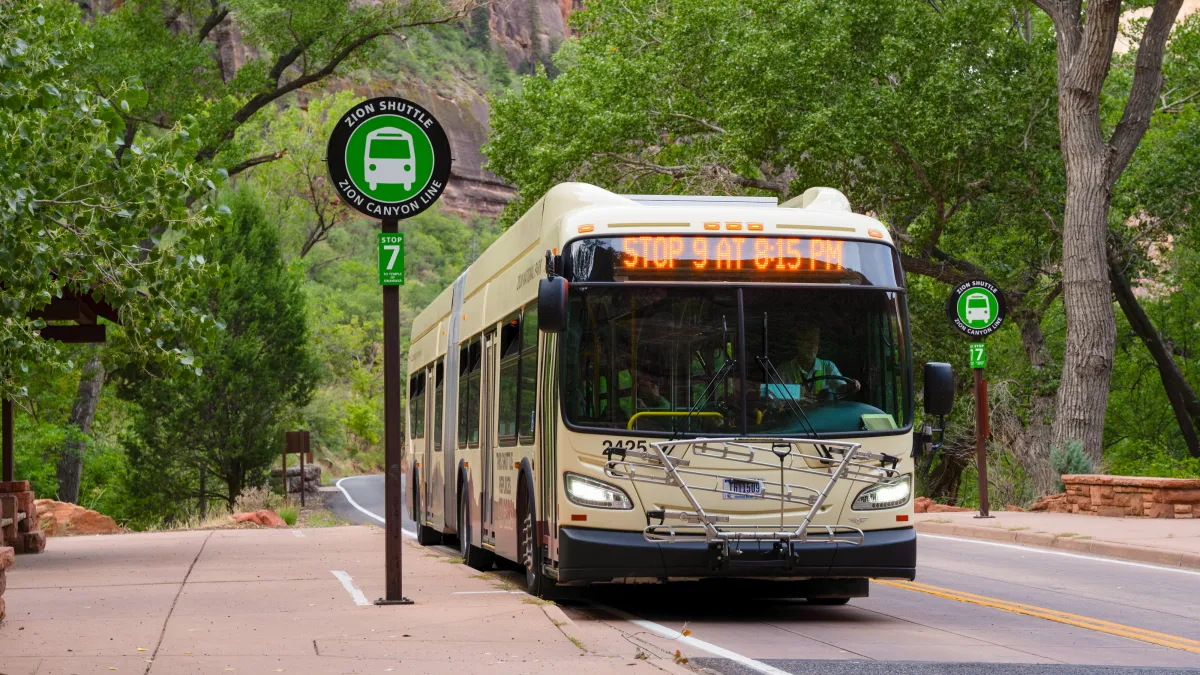
From Virgin, Kolob Terrace Road climbs north through a less-visited section of Zion to Lava Point and Kolob Reservoir. Scrub oak and aspen color the upper stretches, usually in early to mid-October. There's no shuttle and far fewer crowds than Zion Canyon. Check Zion's current conditions before you go. Avoid October 8 and 10: Red Bull Rampage 2026 is being held at its original venue on Kolob Terrace Road on those days.
3. Pine Valley (closest to St. George)
Pine Valley is about 45 minutes north via SR-18. It's the quickest mountain fall drive from town, with oak, maple, and aspen on the slopes of the Pine Valley Mountains and the historic Pine Valley chapel in town. Go in October. On the way, you'll pass through Veyo, which is known for its pies.
4. Kolob Canyons (Zion)
Take I-15 Exit 40 to the Kolob Fingers Road, a 5-mile scenic drive into the red Finger Canyons. Its maples and oaks turn in October, and the Timber Creek Overlook trail at the end is short and easy. Check first: as of October 11, 2026, the National Park Service lists Kolob Canyons Road closed beyond South Fork Trailhead due to rockfall, and Taylor Creek Trail closed due to flooding; see the park's current conditions.
5. Zion Canyon cottonwoods (late season)
Save the main canyon for late October and early November, when cottonwoods along the Virgin River turn gold against the red cliffs. Our St. George to Zion guide covers the drive, shuttles, and fees, and best hikes near St. George lists trails for cooler fall days.
Make a Weekend of It
- Pair a Cedar City leaf trip with the Cedar Livestock & Heritage Festival and Sheep Parade on October 23-25 (see our sheep parade schedule), or with Blithe Spirit at Cedar City's Heritage Center Theater, October 14-16.
- Stay in town for the Huntsman World Senior Games (October 5-17) and the Kayenta Art Festival (October 9-11).
- Take the kids to a pumpkin patch. Our pumpkin patches and Halloween events guide covers the whole region.
- For more seasonal ideas, see fall things to do in St. George, scenic drives, and photography spots.
Frequently Asked Questions
When do the leaves change in Southern Utah?
From mid-September into November, depending on elevation. Aspens above 8,000 feet at Cedar Breaks and Brian Head turn first, from mid-September to early October. Scrub oak and maple at 6,000-8,000 feet peak in early to mid-October. Cottonwoods in Zion Canyon turn gold in late October and early November.
Is Cedar Breaks peaking right now?
Yes. Visit Cedar City | Brian Head's report for September 20-28, 2026, says Cedar Breaks is currently peaking, with Scenic Byway 143 a mix of peak and past peak.
Is 2026 a good year for fall colors in Southern Utah?
It's a below-average year for aspens. Local observers are calling it a "C" season, with many trees turning pale yellow and dropping leaves early, likely because of low moisture and drought stress. The higher-elevation groves are still worth seeing this week.
Where can I see fall colors closest to St. George?
Pine Valley, about 45 minutes north via SR-18, is the closest mountain fall color drive, best in October. Kolob Canyons in Zion, about 40 minutes up I-15, is another short trip.
When do the cottonwoods change in Zion National Park?
Usually from late October into November, when the cottonwoods along the Virgin River in Zion Canyon turn gold.
Sources
- Visit Cedar City | Brian Head: Fall Color Report 2026 (updated weekly)
- National Park Service: Cedar Breaks fall colors
- National Park Service: Zion current conditions
Last updated September 26, 2026. We'll refresh this page as the weekly color reports come in.